Why a real plan set beats "winging it" with scrap lumber
Every shed-building forum has the same cautionary tale: someone frames the walls, gets the roof up, and only then realizes the trusses don't match the roof pitch, or the door opening is six inches too narrow for their mower. A proper plan set fixes the sequencing problem before it costs you a Saturday and a trip back to the lumber yard.
A good plan gives you three things a random YouTube video usually doesn't: an exact cut list (so you buy the right number of boards, not three extra trips' worth), a fastener schedule, and a foundation layout sized to your specific shed footprint. That last part matters more than most first-timers expect — an undersized skid foundation is the #1 reason DIY sheds start to rack and lean within two years.
Shed sizes that usually skip the permit process
Permit rules are set locally, not nationally, so treat every number below as a starting point for your own research, not a guarantee. That said, most U.S. municipalities use a similar threshold:
- Under 100–120 sq ft, no permanent foundation, no electrical/plumbing: typically exempt from a building permit in most jurisdictions.
- 100–200 sq ft: a gray zone — some cities require a simple zoning/setback permit even if a full building permit isn't needed.
- Over 200 sq ft, or anything with power/water run to it: almost always requires a permit, and often an inspection.
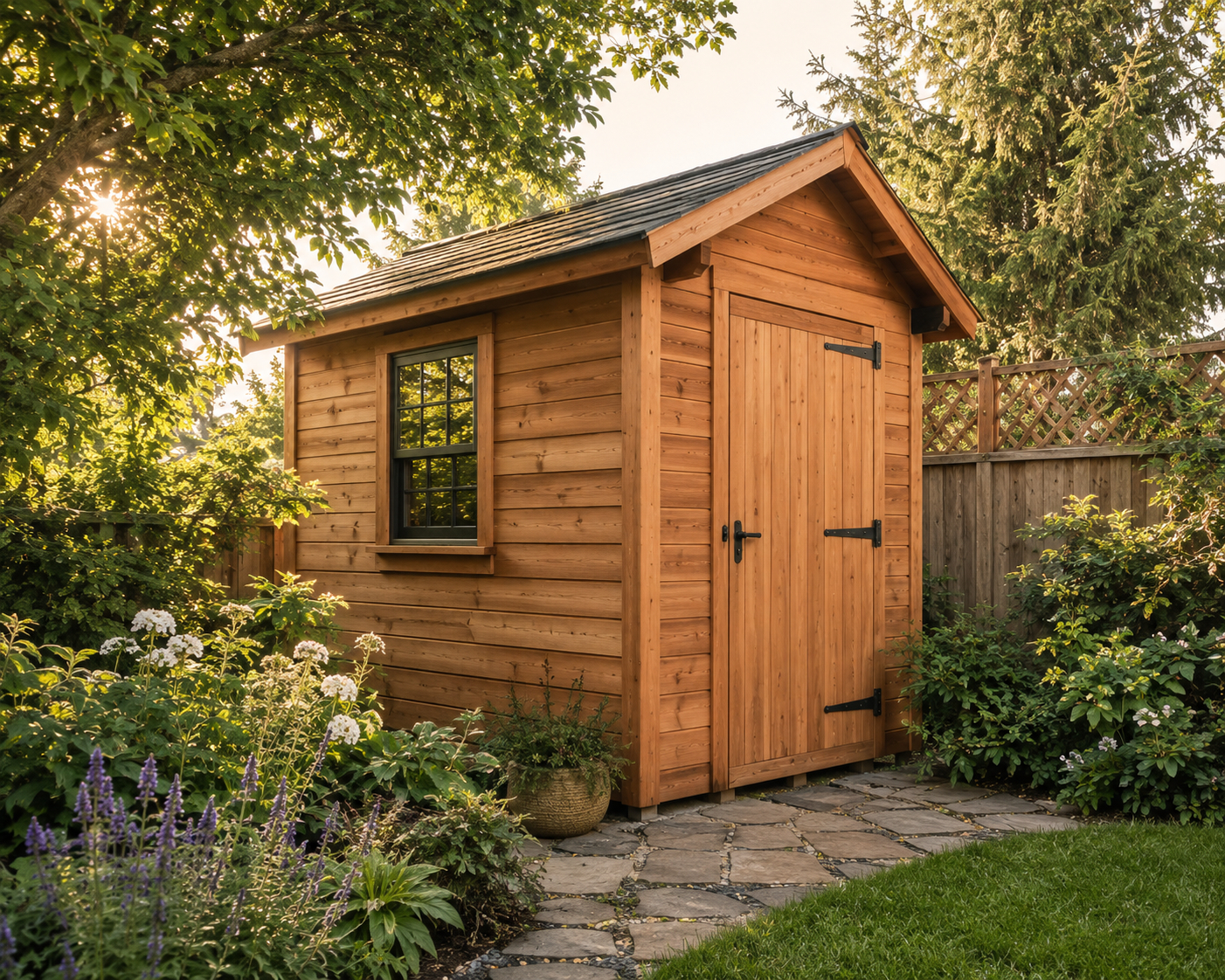
An 8x10 (80 sq ft) or 10x12 (120 sq ft) shed sits right at that comfortable line for a lot of homeowners — roomy enough for a riding mower, bikes, and a full wall of shelving, while staying under the most common permit trigger. Always double-check your specific city/county rules and any HOA covenant before you break ground; setback-from-property-line rules trip up more builders than the permit threshold itself.
| Size | Good For | Typical Permit Status* |
|---|---|---|
| 6x8 (48 sq ft) | Tools, mower, bikes | Usually exempt |
| 8x10 (80 sq ft) | Tools + small workbench | Usually exempt |
| 10x12 (120 sq ft) | Full workshop or studio | Check local rules |
| 12x16 (192 sq ft) | Workshop + storage | Often requires permit |
*General guidance only — not legal advice. Confirm with your local building department.
Best shed plan collections, compared
We looked at plan quality (are the diagrams actually buildable, or vague?), size variety, and whether a materials list is included. Here's how the main options stack up:
What it actually costs to build an 8x10 shed in 2026
Lumber prices swing regionally, but here's a realistic budget range for a basic 8x10 gable-roof shed with plywood siding, asphalt shingles, and a single door:
- Foundation (skids + gravel pad): $150–$300
- Framing lumber: $350–$600
- Siding + roofing: $300–$700
- Door, hardware, fasteners: $150–$350
- Paint/stain: $60–$120
Realistic total: $900–$2,500, depending on whether you go with basic OSB siding or upgrade to T1-11 or board-and-batten, and whether you buy a pre-hung door or build your own. Compare that to a delivered pre-built shed of the same size, which usually runs $2,800–$5,500 — building it yourself from a solid plan set is typically the biggest single lever for cutting the cost.
3 mistakes that sink most first-time shed builds
1. Skipping the site prep
A shed built on an unlevel or poorly-drained site will develop door and window gaps within a year as it settles unevenly. Spend the extra half-day getting a level, well-compacted gravel pad — it's the cheapest insurance in the whole project.
2. Guessing at the roof pitch
Mismatched roof pitch and truss angle is the single most common framing error we hear about from first-timers. A real plan set locks this in before you cut a single truss board.
3. Underestimating fasteners and hardware
New builders consistently underbuy screws, hurricane ties, and joist hangers because they don't show up as "exciting" line items — then they're back at the store mid-build. A proper cut and materials list accounts for this upfront.