What's actually in the Medicinal Garden Kit
The Medicinal Garden Kit is a seed collection created by Nicole Apelian, a biologist and herbalist who has written several books on foraging and herbal remedies and appeared as a contestant on the History Channel's survival show Alone. The kit itself is straightforward: 10 individually packaged, non-GMO seed varieties (4,818 seeds total, according to the product listing), plus a companion guide walking through how to turn each plant into home remedies like tinctures, salves, and infusions.
It's sold through ClickBank, a long-running digital/physical product marketplace, which means standard buyer protections (ClickBank's refund process) apply rather than a random unknown checkout page.
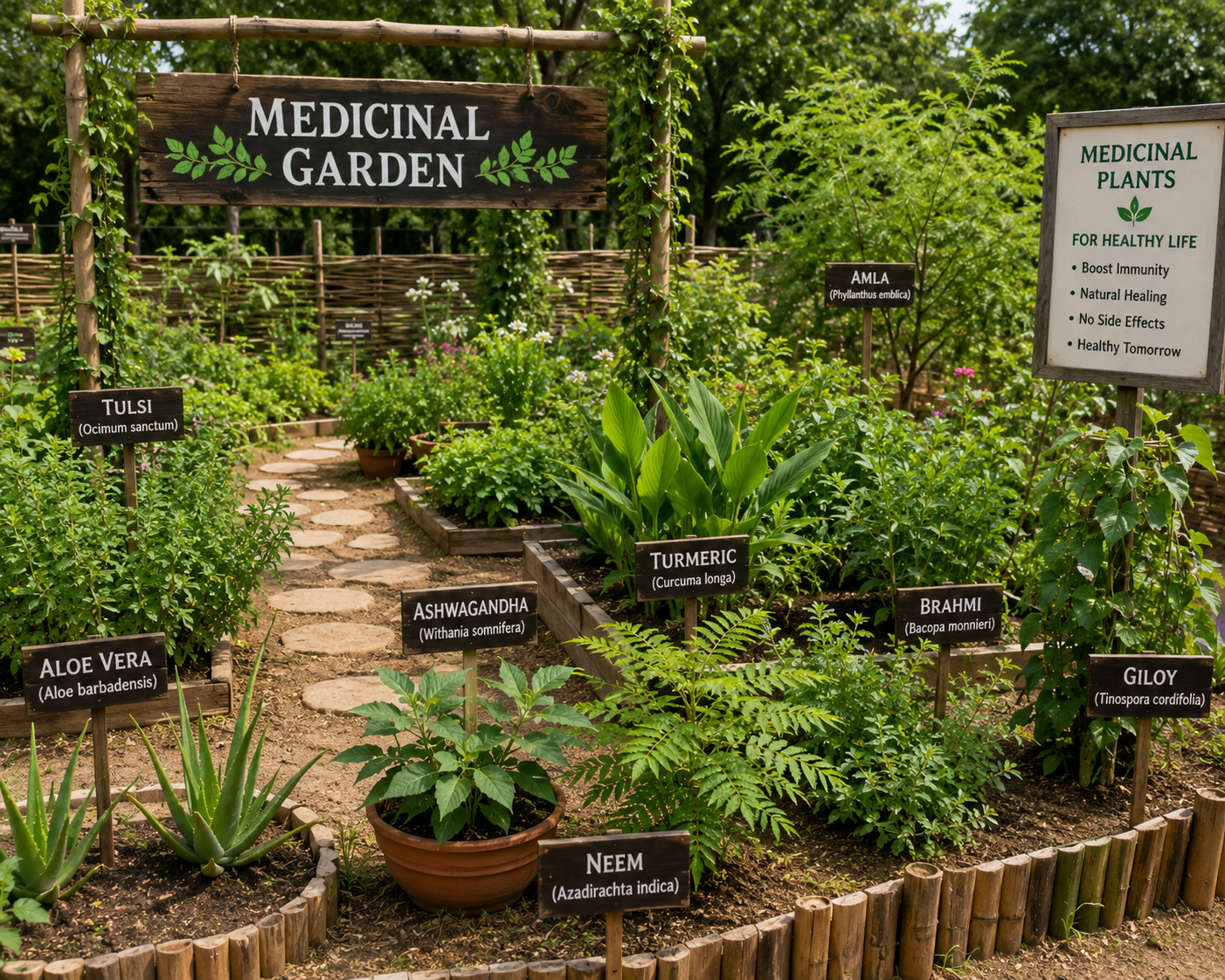
The 10 herbs in the kit, and what they're traditionally used for
All 10 of these are real, well-documented plants in herbal medicine traditions with centuries of recorded use. That said, "traditionally used for" is doing real work in that sentence — it means historical and folk usage, not a guarantee of clinical efficacy for any specific condition. Here's the honest rundown:
Chicory
A hardy perennial with a long taproot, traditionally brewed as a coffee substitute and used in folk medicine as a mild digestive bitter. Its root is also a well-known prebiotic fiber source.
Yarrow
One of the oldest documented "wound herbs" in folk medicine, historically applied topically to help manage minor cuts and scrapes. It's also a genuinely excellent pollinator plant for your garden.
California Poppy
A mellow, non-narcotic relative of the opium poppy (it does not contain opiates), traditionally used in herbal preparations intended to support relaxation and sleep.
Marshmallow
The root contains mucilage, a soothing gel-like fiber, and has a long folk history of use in teas aimed at calming digestive discomfort.
Chamomile
Probably the most familiar herb on this list — widely used as a calming tea and, in salve form, applied topically for minor skin irritation.
Evening Primrose
Grown for its oil, which contains gamma-linolenic acid (GLA), an omega-6 fatty acid studied in relation to skin health.
Lavender
Beyond its scent, lavender has a long aromatherapy tradition associated with relaxation. (We're intentionally not repeating the specific drug-comparison claims made on some marketing pages for this plant — see the safety section below on why.)
Echinacea
One of the most popular immune-support herbs in Western herbalism, traditionally taken at the first sign of a cold. It's also, notably, one of the most frequently adulterated supplement ingredients sold commercially — a real point in favor of growing your own if you want to use it.
Calendula
A classic "first aid garden" flower, traditionally infused into oils and salves used on minor skin irritation, scrapes, and rashes.
Feverfew
Historically used in migraine-prevention folk remedies; modern interest in feverfew largely centers on parthenolide, a compound being studied for anti-inflammatory activity.
How planting and using the kit works
Most of these 10 plants are either perennials (they die back and return each year) or self-seeding annuals (they drop seed and regrow on their own), so a single planting season can establish a garden bed that keeps producing for years. The included guide covers germination timing, spacing, and harvest windows for each herb, along with basic preparation methods (infusions, tinctures, salves, and poultices) for turning the harvested plant material into home remedies.
None of these 10 plants require unusual growing conditions — they're commonly grown in home herb gardens across most US hardiness zones, though exact timing depends on your local climate. As with any seed purchase, check your USDA hardiness zone and expected frost dates before planting.
Who this is (and isn't) a good fit for
Good fit if: you already garden or want to start, you're interested in herbalism as a hobby, you like the idea of a "first aid and comfort" herb bed for minor everyday things (a cup of chamomile tea, a calendula salve for a scrape), or you just want a low-maintenance, pollinator-friendly flower bed with some historical/practical bonus value.
Not a good fit if: you're looking to treat, manage, or replace medication for a diagnosed medical condition. None of these plants are a substitute for medical care, and several (evening primrose, feverfew, California poppy in particular) can interact with medications or aren't appropriate during pregnancy — more on this below.
Safety notes before you start
A few things worth being direct about, since some marketing around herbal products overstates what's actually established:
- These are not FDA-evaluated treatments for any disease. Historical and folk use is not the same as clinical evidence of effectiveness for a specific condition.
- Don't stop or adjust prescription medication based on an herb. Several of these plants (notably feverfew, California poppy, and evening primrose) can interact with blood thinners, sedatives, or other medications. Talk to your doctor or pharmacist before using any of them medicinally, especially alongside existing prescriptions.
- Pregnancy and breastfeeding: several herbs on this list (feverfew and California poppy among them) are commonly advised against during pregnancy in herbal medicine references. Check with your OB/GP first.
- Correct identification and preparation matter. Follow the included guide's preparation instructions rather than improvising — dosage and method are part of what makes herbal preparations safe to use.
- This is a seed/gardening product, not a medical device or drug, and it should be evaluated as one: a way to grow plants with a long history in herbalism, not a clinically-proven treatment protocol.
None of this is meant to talk you out of an herb garden — it's a genuinely pleasant, low-maintenance hobby with real historical grounding. It's meant to set expectations correctly before you buy.